Social and Emotional Learning: The Evidence Behind Integrated SEL
Social and emotional learning evidence: Cipriano et al. (2023, 2024) meta-analysis, CASEL's five competencies, and the school-wide integration that produces the effects.
Social and emotional learning — SEL — has moved from a peripheral concern in many schools to one of the most-discussed areas of educational practice in the last decade. The research base has kept pace. Cipriano and colleagues' 2023 meta-analysis in Child Development is now the reference point for universal school-based SEL; their 2024 follow-up work extended and refined the findings. This evidence review sets out what SEL actually is in the research, what the meta-analytic evidence shows, and why the integration of SEL into everyday academic instruction — rather than its delivery as occasional standalone lessons — is the feature that produces the effect.
What social and emotional learning actually is
The Collaborative for Academic, Social, and Emotional Learning (CASEL) formulation has become the field's common vocabulary. It identifies five competencies:
- Self-awareness — recognising one's own emotions, thoughts, and values
- Self-management — regulating emotions, setting and working toward goals
- Social awareness — taking the perspective of others, recognising social and cultural norms
- Relationship skills — forming and maintaining productive relationships, communication, cooperation
- Responsible decision-making — making constructive choices about personal and social behaviour
Universal school-based SEL is the delivery of programmes supporting these competencies to all students, not only to those identified as having particular needs. Integrated SEL goes further: the competencies are developed within and through everyday academic instruction and school routines, not only in discrete SEL lessons.
What the research actually shows
The meta-analytic evidence has matured significantly.
Cipriano and colleagues (2023) in Child Development published a contemporary meta-analysis of universal school-based SEL interventions. The headline: broad positive effects across social-emotional skills, attitudes toward self and others, positive social behaviour, reduced conduct problems, reduced emotional distress, and — crucially — academic performance. The effects are not large by the standards of direct instructional methods, but they are consistent, cross-domain, and produced at moderate implementation cost.
Cipriano and colleagues' 2024 work extended the synthesis with further moderation analyses, confirming that implementation fidelity, integration with academic instruction, and school-wide rather than classroom-only delivery are the main drivers of stronger outcomes.
Earlier meta-analytic work by Durlak and colleagues in 2011, and a 2017 follow-up, established the foundation that SEL programmes improve a range of student outcomes — including academic performance. The 2023 Cipriano update confirmed the basic pattern in a much larger and more recent body of research while refining the understanding of which implementation features matter.
The defensible synthesis: universal school-based SEL has consistent positive evidence across social-emotional, behavioural, and academic outcomes. Effects depend on implementation — integration with academic teaching, school-wide adoption, teacher preparation, and sustained practice across years, not semesters.
Core principles for integrated SEL
The research converges on a small number of implementation principles.
- Integrate SEL into academic instruction. The competencies are developed through the way history is discussed, through how scientific disagreement is structured, through how feedback is given on writing. Standalone SEL periods supplement but do not replace integration.
- Teach the competencies explicitly. Self-management is a skill. It needs direct teaching, modelling, and practice — the same way literacy and numeracy do.
- Build school-wide consistency. Students experience the competencies across classrooms, hallways, lunchrooms, and assemblies. Fragmented implementation (one classroom's SEL contradicting another's) produces confusion rather than learning.
- Maintain a strengths-based framing. SEL is not about fixing deficits. It is about building competencies all students continue to develop across life.
- Keep implementation faithful. Programmes with defined components and trained teachers outperform programmes where the competencies are discussed but not systematically taught.
The classroom and school routines
The concrete implementations cluster into four areas.
- Structured morning or check-in routines. Brief daily routines that build vocabulary for emotions and practise self-awareness. These are short (three to five minutes), not therapeutic, and predictable.
- Embedded academic routines. Sentence stems for accountable talk (social awareness, relationship skills); structured disagreement protocols (self-management, responsible decision-making); peer-feedback routines (all five competencies, across academic work).
- Explicit SEL skill lessons. Short, focused lessons that teach a specific skill — perspective-taking, conflict resolution, emotional vocabulary — which is then practised across academic and school life.
- School-wide norms and language. Common vocabulary, common expectations, and common routines across classrooms. Students experience consistency; the competencies embed rather than reset each period.
Classroom examples across phases
Primary. Year 2. Morning meeting includes a two-minute emotional check-in using a six-word vocabulary displayed on the wall. During literacy, sentence stems for responding to a peer's contribution build relationship skills. A discrete 15-minute SEL lesson each week develops one focused competency — this week, noticing when a peer needs help.
Secondary. Year 9 history. A lesson on a contested historical event uses structured disagreement protocol. Students argue both sides using evidence, adopt perspective-taking moves, and reflect at the end on what changed in their thinking. The SEL work is not separate from the history; it is part of what the history teaches.
Tertiary. First-year nursing. Communication and ethics modules integrate emotional-vocabulary exercises, perspective-taking clinical scenarios, and structured peer-feedback protocols. SEL is not a separate course; it is integrated across the clinical learning curriculum.
Where SEL fails
The failure modes are consistent and well documented.
- Standalone SEL without academic integration. A 20-minute SEL lesson on Thursday that has no relationship with the Tuesday maths lesson produces weak, compartmentalised learning. Integration is the mechanism.
- Programme-in-a-box without teacher buy-in or preparation. A packaged programme used as compliance produces low fidelity and low effect.
- Therapeutic drift. SEL is a universal educational programme. When it drifts into quasi-therapeutic content requiring specialist training, teachers rightly become uncertain. The competencies are educational; specialist mental-health support is separate and also needed.
- No school-wide consistency. If one classroom's norms contradict another's, students learn that SEL is personality-dependent rather than a set of skills they are acquiring.
- Performative SEL. Displays on the wall that do not change classroom interaction. The wall does not teach; the interaction does.
Best fit and poor fit
Best fit: all age phases, especially when implemented school-wide with sustained teacher preparation. Strongest effects are in schools where SEL is integrated across the curriculum, adopted consistently across classrooms, and supported by sustained leadership commitment.
Poor fit: as a quick fix for classroom behaviour problems; as a single-year initiative without longer-term commitment; as a replacement for specialist mental-health support.
Teacher requirements, assessment, and resources
Integrated SEL is a professional-learning investment more than a materials investment. Teachers need sustained preparation on the competencies, the routines, and the classroom-level moves that develop them. Programmes with packaged curricula can help scaffolding but do not substitute for ongoing teacher development.
Assess with student self-report, behavioural observation, climate surveys, and downstream academic outcomes. The 2023 Cipriano meta-analysis confirmed that academic outcomes respond to strong SEL — so academic data are part of the assessment picture, not a separate concern.
How TAyumira supports integrated SEL
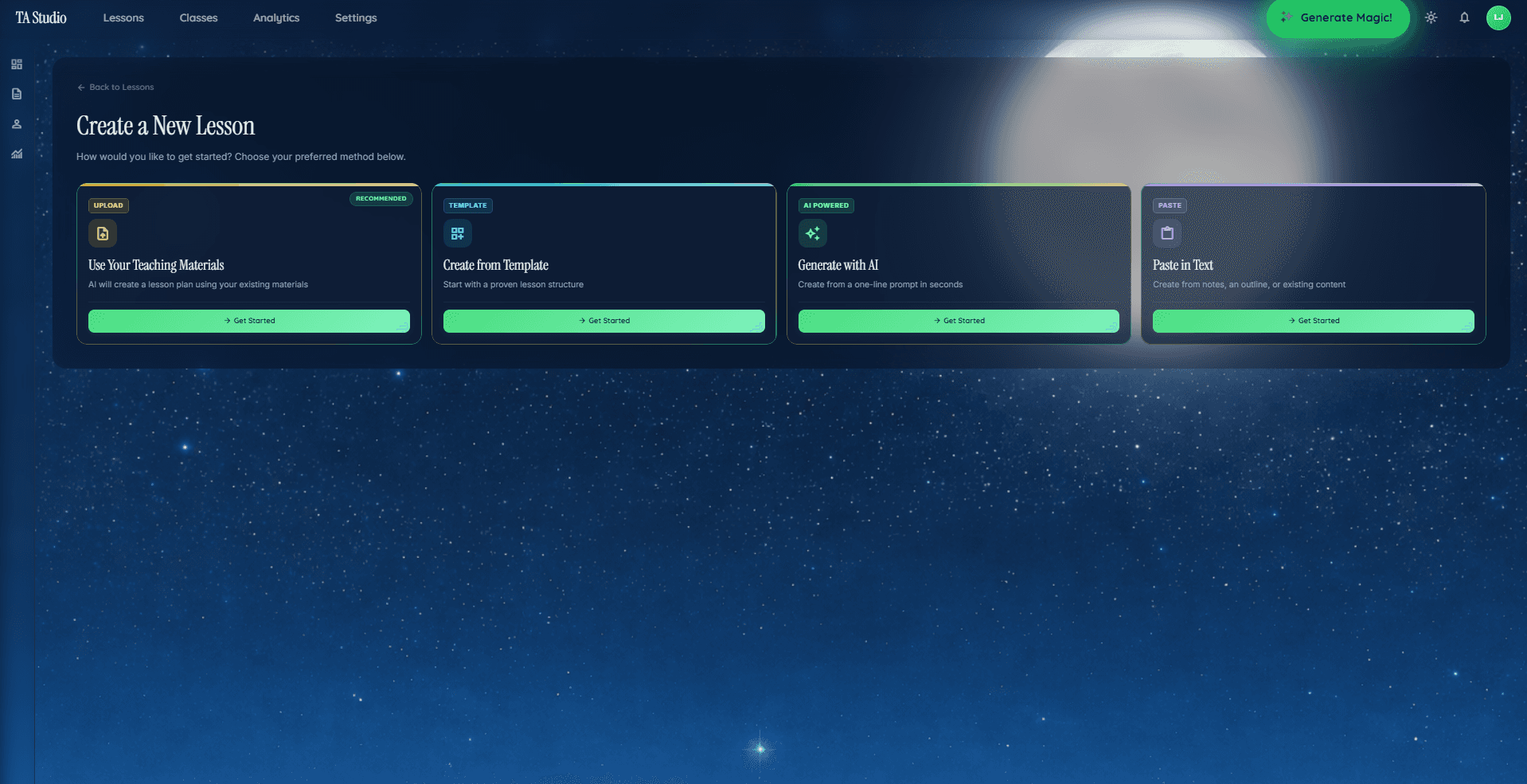
TAyumira builds integrated SEL prompts into lesson generation. When you enable SEL integration, the generator produces:
- A short check-in routine matched to the lesson's content and age phase
- Sentence stems and accountable-talk moves that develop social awareness and relationship skills during academic discussion
- A structured-disagreement or perspective-taking routine where the academic content supports it
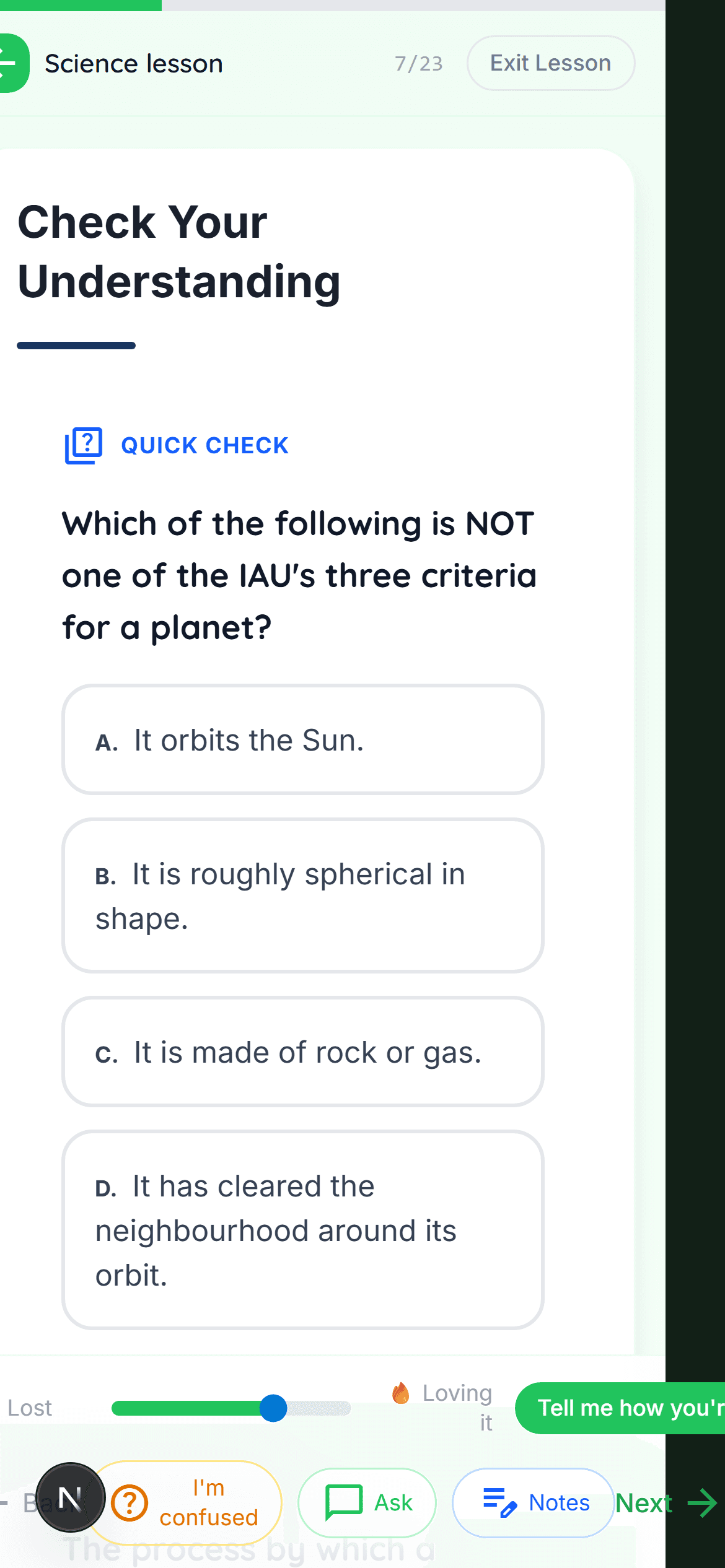
- An exit-ticket reflection prompt tied to a specific competency
- School-wide norms language suggestions that match CASEL's five competencies if your school is adopting a shared vocabulary
Start for free — the Free tier covers the full workflow.
FAQ
What is the effect size of social and emotional learning?
Cipriano and colleagues (2023) in Child Development reported broad positive effects across social-emotional skills, behaviour, emotional distress reduction, and academic performance. Effects are consistent and cross-domain, though not as large as effects of direct instructional methods. Implementation fidelity, integration with academic instruction, and school-wide delivery are the main moderators.
What are the CASEL competencies?
The Collaborative for Academic, Social, and Emotional Learning's five competencies: self-awareness, self-management, social awareness, relationship skills, and responsible decision-making. These provide the field's common vocabulary and are used across most school-based SEL programmes.
Should SEL be taught as a separate subject?
The Cipriano and colleagues (2023, 2024) findings suggest that SEL effects are strongest when integrated into academic teaching rather than isolated in separate lessons. Short explicit SEL skill lessons can supplement integration, but they should not replace it. The competencies are developed through everyday classroom life, not only in designated SEL periods.
Is SEL the same as mental-health support?
No. SEL is a universal educational programme that develops social and emotional competencies for all students. Specialist mental-health support — counselling, clinical intervention — is a separate, complementary provision for students with particular needs. Strong SEL does not replace specialist provision; it provides the universal base on which specialist provision builds.
What's the single most important implementation feature?
School-wide consistency. Students experience the competencies across classrooms, hallways, lunchrooms, and assemblies. A shared vocabulary, shared routines, and consistent expectations across the school produce much stronger outcomes than the same programme delivered in a single classroom.
Related evidence reviews
- Culturally Responsive Pedagogy Evidence
- Dialogic Teaching Evidence
- Cooperative Learning Evidence
- Metacognition and Self-Regulated Learning Evidence
Sources
- Cipriano, C., et al. (2023). The state of evidence for social and emotional learning: A contemporary meta-analysis of universal school-based SEL interventions. Child Development.
- Cipriano, C., et al. (2024). Follow-up synthesis on universal school-based SEL (moderation analyses).
- Durlak, J. A., et al. (2011). The impact of enhancing students' social and emotional learning: A meta-analysis of school-based universal interventions. Child Development.
- Collaborative for Academic, Social, and Emotional Learning. CASEL framework.
Try one integration move this week
Pick one academic lesson this week. Add one structured peer-feedback routine or one perspective-taking discussion prompt. Notice what the students do. If you want integrated SEL prompts and school-wide routines generated for your topic and age phase, create a free TAyumira account.