I Didn't Know I Was Burned Out Until My Body Stopped Working
Teacher burnout shows up in the body before the mind. Migraines, insomnia, IBS, weight changes, immune collapse — the physical symptoms nobody talks about.
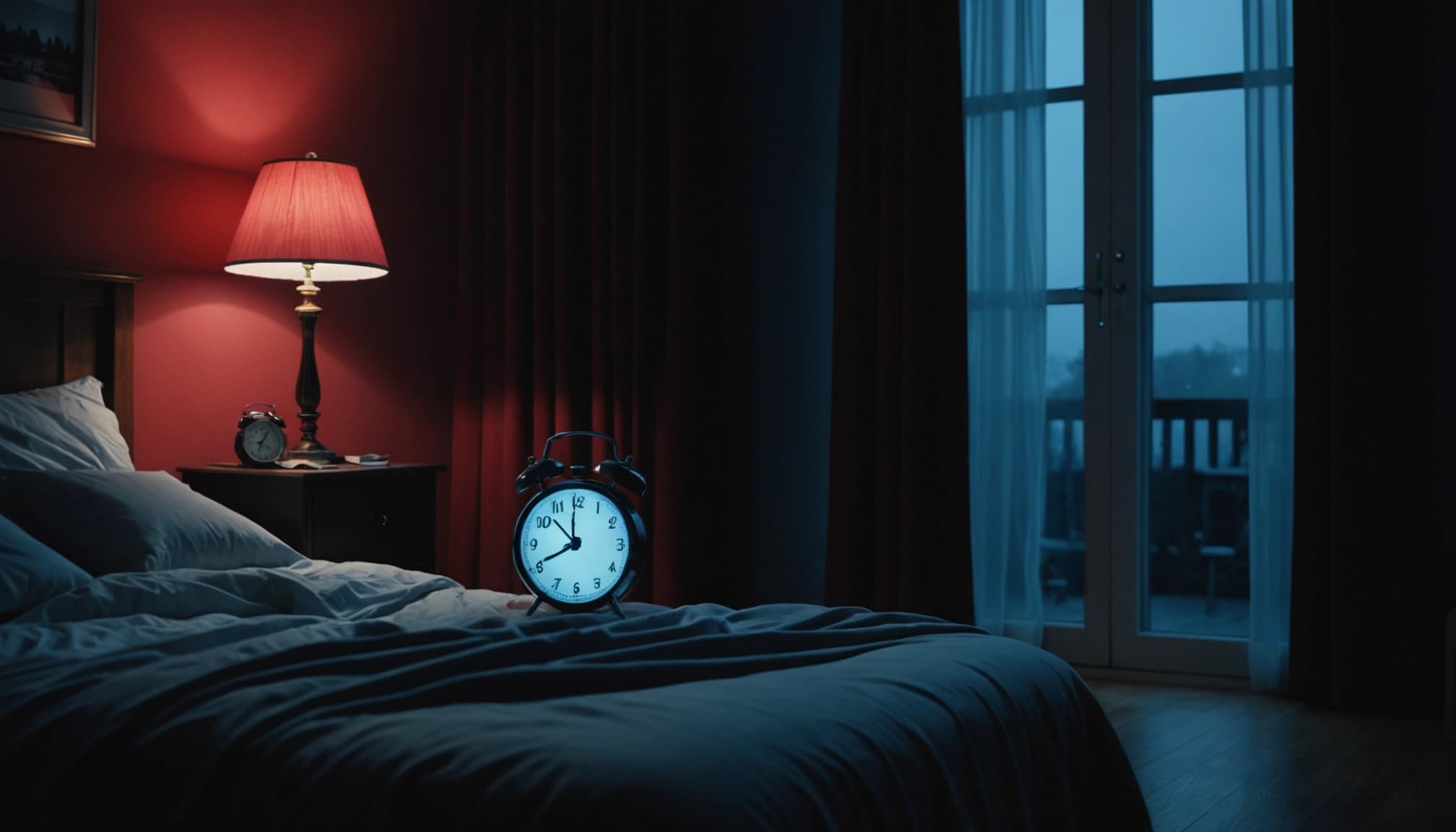
I knew the textbook signs of teacher burnout. Cynicism, exhaustion, dread on Sunday nights — I could have ticked all three boxes from a wellbeing leaflet. What I didn't know, and what nobody had told me, was that the physical symptoms of teacher burnout often arrive months before the emotional ones become impossible to ignore. By the time I admitted to myself I was burned out, my body had already been telling me for the best part of a year. I just didn't speak its language.
This post is the conversation I wish someone had had with me at the start of that year. It is a clinical-honest list of how chronic teaching stress shows up in the body, why it shows up in those specific patterns, and what to do about each one — including the parts that get dismissed as "just being a busy adult."
Why teacher burnout shows up in the body first
The clinical literature is unambiguous on this. Sustained occupational stress activates the hypothalamic-pituitary-adrenal (HPA) axis — the system that produces cortisol — and over months of unbroken activation, the system itself becomes dysregulated. Cortisol patterns flatten, immune function depresses, and the body's normal recovery cycles stop working as designed.
The American Psychological Association's research synthesis on chronic stress lists the predictable downstream effects: musculoskeletal pain, sleep architecture disruption, gastrointestinal disturbance, immune suppression, hormonal disruption, and cardiovascular changes. None of those are mysterious. All of them are observable. And almost all of them get explained away by busy professionals — including teachers — as "just stress" until something acute forces a GP visit.
The thing teachers tend to miss is that the body doesn't separate "occupational stress" from "real" stress. To your nervous system, a Year 11 mock-exam invigilation week and a low-grade family bereavement produce the same dysregulation pattern. Both leave the body running on the wrong default for too long.
The physical symptoms of teacher burnout, in the order they typically appear
Different teachers report different orderings, but in the conversations and informal data I have gathered over the last two years, a sequence emerges. These are the bodily invoices the mind has been ignoring.
1. Sleep architecture collapses (months 1-3)
The earliest and most consistent symptom is fragmented sleep. Not full insomnia at first — a subtle pattern of waking around 3 a.m. mentally rehearsing the next day, or sleeping through a full night and waking unrefreshed. The technical term is sleep architecture disruption: the deep-sleep and REM stages your brain needs for memory consolidation and emotional regulation get shortened, even when total time-in-bed looks normal.
Teachers usually dismiss this. They say "I've always been a light sleeper" or "I just have a lot on my mind." The pattern is not benign. Six to nine months of disrupted sleep architecture predicts most of the cognitive and emotional symptoms that follow.
What to do: GP appointment. If sleep is broken for more than six weeks, treat it as a medical conversation, not a personal failing. Track sleep with a phone app or wearable for two weeks before the appointment so you have data to show.
2. Persistent low-grade illness (months 2-4)
The second wave is the cold you cannot shake. Throat infections. Persistent sinus issues. The mild stomach bug everyone in school has had that you keep getting. Cortisol's downstream effect on immune function is well-documented — chronic stress suppresses lymphocyte activity and slows immune response.
Teachers describe being "always run down" without quite recognising that the always-run-down state is itself a symptom rather than ordinary December-in-a-school-building immune misfortune. If you have been on three courses of antibiotics in six months, the body is reporting something the timetable is not.
3. Headaches and jaw tension (months 3-6)
Tension headaches and TMJ (jaw clenching, often nocturnal) are among the most common physical symptoms of teacher burnout. The pattern is almost diagnostic: tightness building through the day, peaking around 3-4 p.m., relieved temporarily by the school day ending, returning by Sunday evening. Many teachers grind their teeth through the night without knowing it; their dentist sees it before they do.
What to do: Mention it to your GP. Mention it to your dentist. A bite guard for nocturnal grinding is cheap and reduces both headache frequency and tooth damage. Recurring tension headaches that respond to a brief school-holiday relief are an occupational signal, not a personal anatomy problem.
4. Gastrointestinal disruption (months 3-6)
The gut is the body's stress organ. Teachers report new-onset IBS-pattern symptoms, persistent acid reflux, appetite changes (in either direction), and unexplained nausea before high-stakes school events. The gut-brain axis is bidirectional — chronic stress alters gut motility and microbiome composition, and the resulting symptoms feed back into the stress signal.
If you find yourself unable to eat breakfast on a Monday, or hungry only at 9 p.m. when the day finally lets go, those are not preferences. They are the HPA axis disrupting normal hunger signalling.
5. Weight changes (months 4-8)
Either direction. Some teachers gain — cortisol drives visceral fat deposition and increases appetite for high-density food. Others lose, often because the gut symptoms have reduced their ability to eat regularly. Both are physical signals of metabolic disruption, not aesthetic problems.
6. Hormonal and reproductive changes (months 6-12)
This is the one most under-reported because it is the most personal. Female teachers report cycle disruption, missed periods, worsened PMS, and reduced fertility windows. Male teachers report reduced libido and changes in mood patterns consistent with lowered testosterone. Both are documented downstream effects of sustained HPA-axis dysregulation.
7. Stress-induced acute episodes (months 8-12+)
By around year-mark, the system is brittle enough to produce acute episodes. Stress-induced shingles. Migraines escalating to neurological symptoms. Panic attacks. Persistent muscle pain that doesn't respond to physiotherapy. In two cases I know of personally, hospital admissions for chest pain that turned out to be panic-attack-driven rather than cardiac.
These are not freak events. They are predictable end-stages of an arc that started with the missed REM sleep eleven months earlier.
What teachers tell themselves that delays the realisation
In conversations with teachers who later admitted they had been burned out, three patterns of self-talk recur:
- "Everyone is tired. I'm just being dramatic."
- "I'll be fine after half-term."
- "I always get migraines around this time of year."
The first dismisses the symptom by averaging across a workforce that is itself burned out. The second postpones recognition to a recovery point that, on its own, is not long enough to reverse months of accumulated dysregulation. The third pathologises a recurring occupational signal as personal anatomy.
If you find yourself thinking any of these, treat the thought as data. The thought is the body trying to be heard around the mind that does not want to hear it.
What to actually do if you recognise the pattern
The realistic sequence is short.
Tell your GP, honestly
Use the words. Chronic occupational stress. Six months. Disrupted sleep, recurrent infections, weight change, headaches. GPs in the UK are well-versed in this presentation now and will not be surprised. The conversation creates a medical paper trail that may matter later, and it gives you access to interventions the school cannot.
Reduce the load that does not require your judgement
The fastest individual relief is compressing the work that does not need teacher judgement. Slide-building, formatting, resource-hunting, marking — by some audits up to 40% of typical workload. Pedagogy-aware AI tools can compress this layer honestly. TAyumira's free lesson planner was built by a teacher for this exact reason. Stripping 30-40 minutes off your evenings is, physiologically, restorative.
Rebuild sleep first, before anything else
If the sleep architecture is still broken, no other intervention will fully work. Two weeks of strict sleep hygiene plus, if needed, short-term GP-supported pharmaceutical help to reset the cycle is the foundation. Without it, the rest of the toll continues compounding.
Do not try to fix everything at once
The trap is feeling so behind on your own body that you try to overhaul diet, exercise, sleep, work, and emotional health in one weekend. Pick one. The body responds best to one sustained change held for a month, not to five performative changes held for a week.
Audit which 20% of the role is producing 70% of the toll
Almost universally, when burned-out teachers honestly audit their week, the toll concentrates in a small subset of the role. Identifying it changes the conversation you can have with your line manager from I am drowning to this specific structural element is the problem. For the longer argument, see The Inevitable Toll of Teacher Burnout.
What I would tell myself a year earlier
If I could go back to the version of me at month three of that year — the one with broken sleep and a low-grade headache and a sense that "I always get like this in spring" — I would tell him this: the body keeps its own books, and it always settles them in the end. You can pay them in small instalments now, or pay them in lump sums later. The lump sums are more expensive.
If you are reading this and recognising any of the symptoms above, treat the recognition itself as the small instalment. Tell one person. Make the GP appointment. Strip one structural cost off this week. The body responds quickly to being listened to. It has been waiting to be.
FAQ: physical symptoms of teacher burnout
Can stress really cause physical illness in teachers? Yes. Chronic occupational stress dysregulates the HPA axis, which has downstream effects on sleep, immune function, gastrointestinal function, hormonal balance, and cardiovascular function. These are documented in the medical literature, not anecdotal.
How do I know if my headaches are from teaching stress? A useful diagnostic pattern: headaches that build through the day, ease during school holidays, return on Sunday evenings, and respond to weekend rest but not weekday rest are typical of occupationally-driven tension headaches. A GP consultation can confirm.
Should I take time off work if I have physical burnout symptoms? A short, properly-supported period of leave (with GP and occupational health input) is often more restorative than continuing to push through. Continuing to push through six-month-old symptoms is the most common path to acute episodes. The decision is yours and your GP's, not your school's.
Will physical symptoms of teacher burnout reverse? Most do, with sustained structural change in the underlying conditions, within three to six months. Some — like cycle disruption, weight change, or chronic headache patterns — can take longer. The first step is recognition; the second is reducing the load that produced them.
Is teacher burnout the same as depression? They overlap and can co-occur but are not identical. Burnout is occupationally driven and improves when the conditions improve; depression is broader and may require its own treatment regardless of the work environment. A GP can help distinguish them.
Compressing the workload layer that does not need your judgement is one of the fastest ways to give your nervous system a chance to recover. TAyumira's free lesson planner is built for exactly this — pedagogy-aware AI lesson plans, slides, and assessment in minutes. No card.